Speakers
Learn Everything About
the Speakers
Everything you need to know, from Speaker information to Session objectives, right at your fingertips.
† Denotes speaker with financial and/or beneficial interest in any products or services related to their presentation.
Friday's Speakers
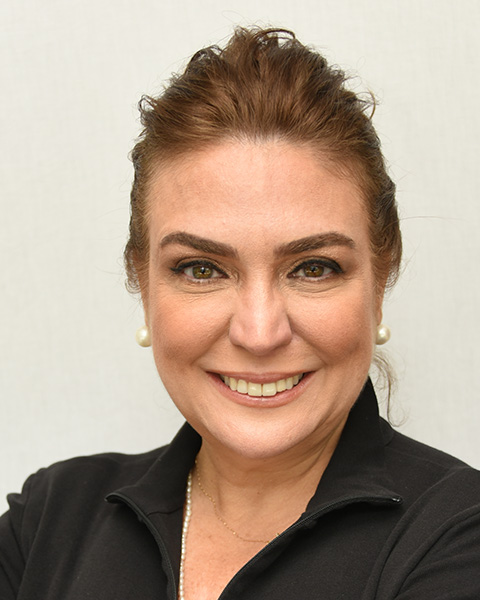
Dr. Flavia Artese
Deep bite is an excessive overlap of incisors and should be treated in cases with gingival impingement or with long incisor guidance, that can lead to incisor wear. It is multifactorial in nature and can be associated to a decreased mandibular angle, incisor extrusion and/or posterior underdevelopment. Posterior tooth wear or erosion can also lead to deep bite due to loss of occlusal vertical dimension, mandibular counterclockwise rotation, and bite deepening. Many treatment approaches are available, which may include incisor intrusion, molar and premolar extrusion or posterior prosthodontic build ups. Aesthetic and functional aspects will determine which treatment approach to use and should be considered in treatment planning, most specifically upper incisor display at rest and occlusal vertical dimension. To illustrate and discuss different treatment approaches a series of cases are presented, pointing out important diagnostic criteria to define where and how deep bite should be treated.
Learning Objectives:
- Analyze the importance of dynamic occlusion in overbite correction.
- Outline the criteria to define an incisor intrusion or molar extrusion to correct deep overbites.
- Present the effects of vertical dimension changes in deep bite correction.
Dr. Flavia Artese graduated in Dentistry at the Federal University of Rio de Janeiro in 1992, where she also obtained her MSc (1993) and PhD in Orthodontics (1998). She was a Visiting Scholar at the Department of Orthodontics at the University of Washington (1995-6). In 1999, Dr. Flavia became a part time Associate Professor in Orthodontics at the Rio de Janeiro State University, and currently is the Chair of the Orthodontic Program and teaches two days a week for undergraduate and graduate students. She is a Diplomate of the Brazilian Board of Orthodontics (2006), the former President of the Brazilian Association of Orthodontics (2014-2018) and an International Ambassador for the American Association of Orthodontists, representing Brazil. In 2018 she became an active member of the Angle Midwest Society and currently is the Secretary of the Scientific Commission of this Society. Dr. Flavia was the Chair of the 10th International Orthodontic Congress of the WFO that was held in Rio de Janeiro in 2025. She has lectured extensively at both national and international levels and has published numerous papers and book chapters. She also previously served as Editor-in-Chief of the Dental Press Journal of Orthodontics. Dr. Flavia has been practicing orthodontics in her private practice in Rio de Janeiro since 1993.
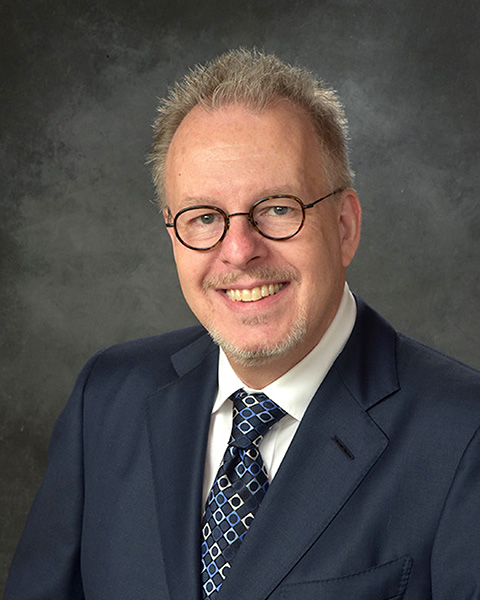
Dr. Jay Bowman
And in the End . . . is orthodontic treatment ever really finished? In the Beginning . . . having the end in mind with braces and/or aligners is critical. Closer looks at planning and executing a variety strategies with a modicum of common sense to successfully cross the finish line.
Learning Objectives:
- Recognize limitations in the criteria for finishing treatment.
- Evaluate some mechanical issues for completion of care with braces and clear aligners.
- Explain effective strategies for correcting Class IIs.
Jay Bowman is a Diplomate of the American Board of Orthodontics, a member of the Edward H. Angle Society of Orthodontists, a Fellow of both the International and the American College of Dentists, Fellow of the Pierre Fauchard Academy International Honor Organization, Fellow of the Faculty of Dental Surgery of the Royal College of Physicians and Surgeons of Glasgow, Member of the Faculty of Dental Trainers of the Royal College of Surgeons of Edinburgh, a Charter Member of the World Federation of Orthodontists, and is a Regent of the American Association of Orthodontists Foundation.
Twenty-five years ago, he developed the Straightwire Typodont & Techniques course and is an Adjunct Clinical Associate Professor at The University of Michigan, an Adjunct Associate Professor at Saint Louis University, an Assistant Clinical Professor at Case Western Reserve University, a Visiting Clinical Lecturer at Seton Hill University, and Milton Sims Visiting Professor at the University of Adelaide, Australia.
He delivered the J.A. Salzmann Award Lecture at the AAO in 2022, received the Angle Research Award in 2000, the Alumni Merit Award from Saint Louis University in 2026, the Orthodontic Education and Research Foundation Merit Award in 2017, and the Edgar Honey Memorial Award from KVDDS in 2022.
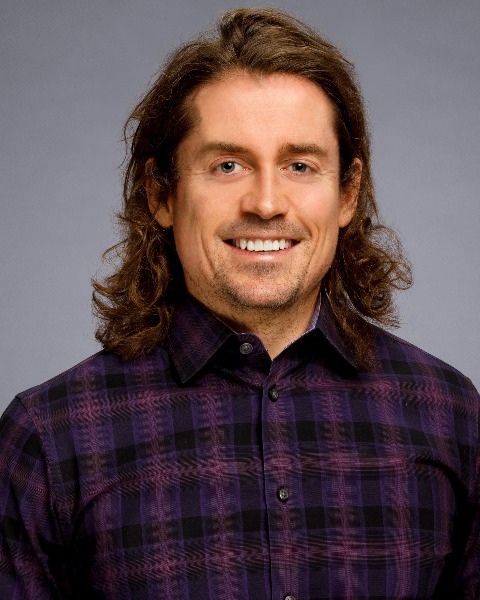
Dr. Chad Foster †
(Sponsored by Dynaflex)
Miniscrew treatment is widely used in orthodontics. The most common uses of this type of absolute anchorage are in A-P correction, orthopedic transverse expansion, and improvement in gummy smiles. One area that is not as often discussed is the use of miniscrews in patients who are deficient in vertical, either dentally, skeletally, or both. Patients who show a decreased lower 1/3 facial height can greatly benefit from increasing the vertical and its effects on facial esthetics are life changing. Patients who show insufficient upper vertical incisor show are hiding one of the core components of what is considered a beautiful smile. Both of these types of patients can benefit greatly from orthodontic treatment that targets improvement in these vertical categories. In this lecture I will lay out how traditional mechanics can target this improvement and also when and how miniscrews are best utilized.
Learning Objectives:
- Explain why viewing vertical issues from an outside-in perspective is important.
- Describe the key terms associated with vertical facial and smile esthetics.
- Analyze variables that affect vertical incisor position and smile arc in esthetic treatment planning.
- Evaluate non-surgical treatment strategies for vertical maxillary deficiency and expected results.
My name is Dr. Chad Foster and I am a board certified orthodontist practicing in Phoenix, Arizona in a single doctor, single location practice. I completed dental school and orthodontic residency at the University of Southern California in Los Angeles, California where I received the Harry L. Dougherty Award for top clinician in my residency. I have had multiple publications in U.S. orthodontic journals and I also serve as the Editor or Orthotown Magazine which has the highest readership of any orthodontic publication in the U.S. I post more full record cases than any other orthodontist on the most popular orthodontic Facebook group in the U.S. called “Orthodontic Pearls”. My favorite subjects to write and lecture on are dentofacial aesthetics and clinical efficiency strategies.
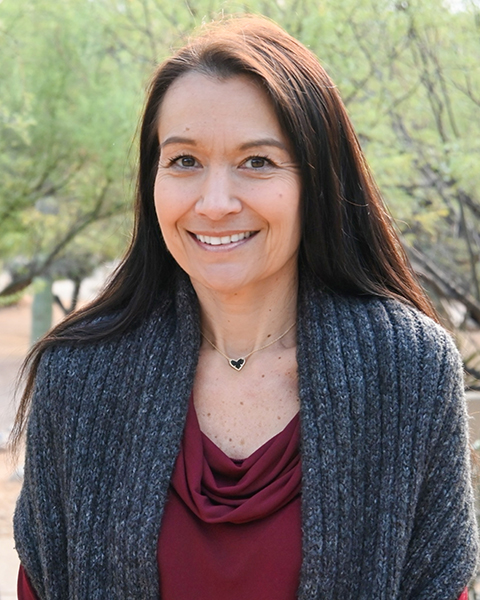
Ms. Michelle Fraley
Life balance is not impossible to achieve, but it is something that needs to be actively created, not passively found. In this holistic-based presentation, I will be offering practical and accessible strategies for creating life balance. We will discuss the importance of values, boundaries, self-compassion, digital mindfulness, nervous system regulation and more as it relates to creating a true life in balance.
Learning Objectives:
- Identify their top 5 values and priorities and continue to implement this process as they change and evolve to stay in touch with the most current version of themselves.
- Integrate tools for nervous system regulation into their everyday lives.
- Identify areas in their lives where they need to create boundaries and practice basic boundary setting techniques.
- Monitor their digital habits and create strategies to keep digital use in check.
Michelle Fraley, MA, WPCC is a counselor, certified holistic life coach, yoga/meditation teacher and speaker based in Tucson, Arizona. Michelle believes that a holistic approach is the most effective way to harness your unique energy, increase wellbeing and create lasting change. Michelle has a private practice where she uses strategies from positive psychology, neuropsychology and mindfulness to foster personal growth and help her clients cultivate balance in their busy lives. In her lecture, Living a True Life in Balance, Michelle will offer a unique glimpse of what balance can look and feel like as well as challenge misconceptions and unrealistic expectations about creating life balance. You will walk away from this presentation with practical tools and strategies that will allow you to create your unique true life in balance.
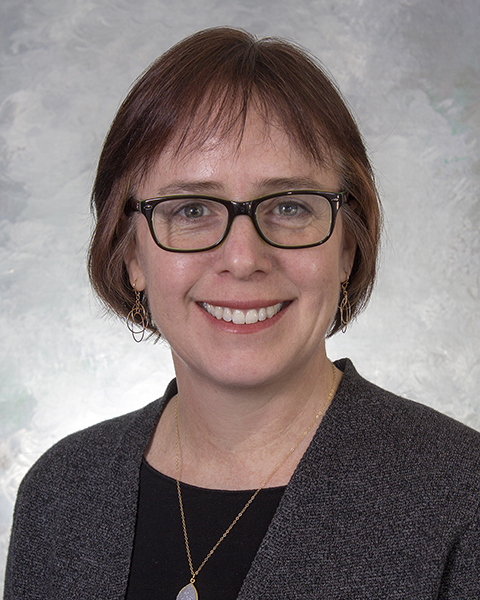
Dr. Nan Hatch
In this talk the speaker will review treatment of a complex interdisciplinary patient who presented with a full class II malocclusion, restorative coverage of misaligned anterior teeth, mandibular retrognathia, retained deciduous teeth, missing teeth, and severe deep bite with bruxism and clenching. Throughout treatment, tooth pain, tooth mobility, appliance breakage and restoration breakage was problematic. Despite recurring pain in multiple teeth, an endodontist was not required. The interdisciplinary treatment was overall successful, but the deep bite with bruxism and clenching caused recurring issues during and after treatment for providers and the patient. Botox injections for myofascial pain, tooth pain and restoration breakage via decreased bite force was recommended. Thus, in this talk the speaker will also provide evidence and examples of successful botox masseter muscle treatment for changes in facial esthetics, bite force and/or pain.
Learning Objectives:
- Evaluate and identify an orthodontic patient who would benefit from adjunctive botox injections into the masseter muscles.
- Discuss appropriate methods for botox masseter injections to maximize efficacy while minimizing risk.
- Discuss botox masseter muscle injections for suitable patients with their oral surgeons.
Dr. Nan Hatch is a Professor of Dentistry, the Lysle E Johnston, Jr. Collegiate Professor of Orthodontics, and Chair of the Department of Orthodontics and Pediatric Dentistry at the University of Michigan. Dr. Hatch received her clinical orthodontic training and a Ph.D. from the University of Washington in Seattle. Dr. Hatch has previously served as the GLAO representative to the AAO’s Council on Scientific Affairs, as President of the Craniofacial Biology Group of the International Association of Dental Research, member then Chair of the Awards Review Committee of the International Association of Dental Research She currently serves on the Planning and Awards Review Committee for the AAOF. Dr. Hatch is a didactic and clinical educator of orthodontics. Her research interests include basic and translational research in musculoskeletal biology and the molecular etiology of craniofacial anomalies, as well as the development of biologic mediators and drug delivery systems for control of orthodontic tooth movement and retention.
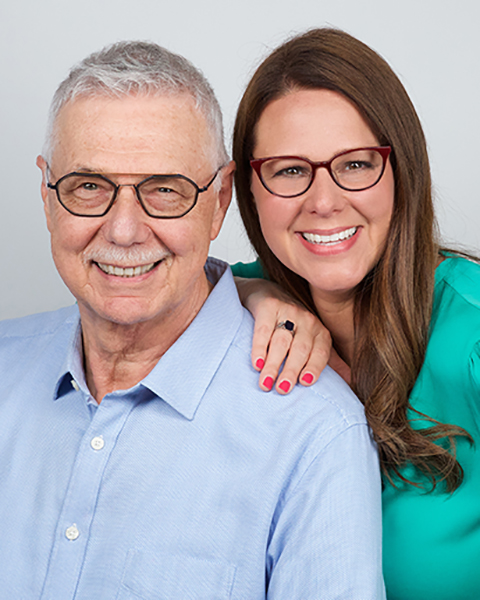
Dr. Leon Klemper † &
Ms. Amy Epstein †
Artificial intelligence is rapidly reshaping how patients discover, evaluate, and choose orthodontic providers, and the practices that adapt first will define the next era of growth. In today’s evolving landscape, platforms like ChatGPT and Gemini are becoming the first stop for health questions, treatment comparisons, and provider recommendations, often before a traditional Google search result ever appears. At the same time, AI driven tools inside the orthodontic practice, from digital treatment simulations to remote monitoring and aligner production, are transforming how care is delivered and how value is communicated to patients. In this presentation, Amy Epstein and Dr. Leon Klempner explore how orthodontists can strategically leverage AI on both sides of the patient journey: in their marketing and in their clinical experience. The session explains how Answer Engine Optimization AEO is changing local discovery, why some practices may be invisible in emerging AI powered search environments, and how competitors may already be gaining ground, whether they realize it or not. Attendees will learn what signals conversational platforms look for when selecting which practices to elevate, which reputation and content elements influence AI generated recommendations, and how messaging must evolve to succeed in an AI first world. This presentation covers how AI solutions inside the practice can become a powerful differentiator when communicated effectively to patients and the broader community. From improved treatment precision and efficiency to convenience, monitoring, and outcome predictability, AI enhanced workflows can strengthen a practice story when they are positioned as part of a thoughtful, patient centered experience rather than simply as technology features.
Learning Objectives:
- Identify key techniques for positioning their practice to be discoverable in AI search and answer engines.
- Explain how clinical AI capabilities translate into meaningful patient value.
- Demonstrate approaches to strengthening brand differentiation in crowded and competitive markets.
- Outline actionable steps to attract high-value patients motivated by expertise, trust, and quality of experience.
Leon brings clarity, foresight, and hard-earned perspective to the business of orthodontics. After decades operating two thriving private practices, he understands the real-world challenges of running and growing a practice in a changing healthcare environment.
As CEO of People + Practice, Leon leads with a consultative mindset. He helps orthodontists make confident, well-informed decisions by combining deep clinical knowledge with a strategic understanding of marketing, operations, and patient behavior. His advice is practical, relevant, and shaped by years of experience on both sides of the profession.
Leon remains actively involved in education and leadership. He serves as Director of Orthodontics at Mount Sinai Hospital in New York and teaches part-time at both the Harvard School of Dental Medicine and Montefiore Medical Center. His work across clinical care, academic instruction, and practice growth gives him a unique vantage point that benefits every client. Leon is also the current president of the New York State Society of Orthodontists.
Amy brings more than twenty years of strategic marketing and leadership experience to her work helping healthcare practices grow. As a founding partner and COO of People + Practice, she combines big-picture thinking with hands-on execution, guiding practices through the complex landscape of modern patient acquisition and brand development.
With a background in agency leadership and global brand marketing, Amy understands how to align strategy with results. Her approach is grounded in data, shaped by experience, and built to help doctors make confident decisions about growth. She is especially skilled at helping practices adopt new technologies and digital workflows that support long-term profitability.
Amy is also the co-host of The Golden Age of Orthodontics podcast, where she explores forward-thinking strategies and technologies with industry leaders. In addition to her consulting work, she lectures at universities and conferences nationwide, helping shape the next generation of healthcare marketers.
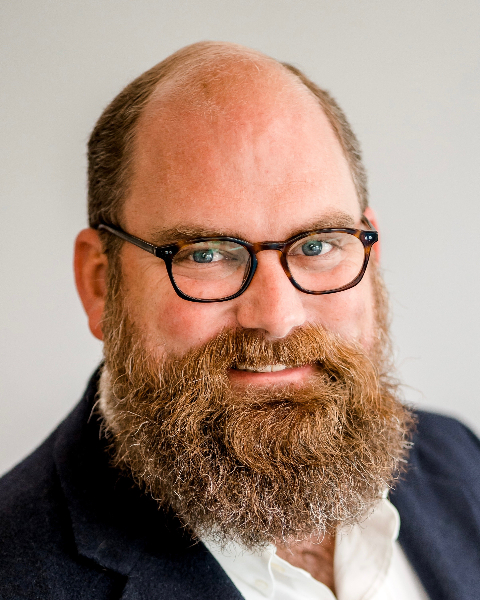
Dr. Shane Langley †
(Sponsored by Solventum)
Join Dr. Shane Langley as he presents his innovative approach to solving complex cases by merging esthetic considerations with efficient solutions. With a focus on brackets and Clarity™ Aligners, Dr. Langley will showcase a variety of techniques, strategies, and real-world examples that illustrate how to achieve exceptional outcomes while maintaining clinical excellence. Discover how to tackle challenging cases effectively, streamline treatment processes, and enhance patient satisfaction. Dr. Langley will also highlight the role of attachments in achieving precise tooth movements, including Clarity™ Precision Grip Attachments.
Solventum will offer CE.
Learning Objectives:
- Explore a variety of techniques and strategies to achieve optimal clinical outcomes without compromising esthetics using brackets and Clarity™ Aligners.
- Gain insights into streamlining treatment processes and improving patient satisfaction in complex cases.
- Develop practical skills in bonding protocols for both brackets and Clarity™ Precision Grip attachments.
- Analyze several clinical cases.
Dr. Shane Langley graduated from the University of Alabama in 2005 with a DMD and was elected to Omicron Kappa Upsilon National Dental Honor Society. He earned his orthodontic certificate and master’s degree from the University of Alabama in 2009. Dr. Langley’s speaking interests include the use of TADs to aid in the successful treatment of complex malocclusions, the bio-mechanical techniques and principles that accompany treatment with TADs, non-compliance correction of various malocclusions, and aesthetic orthodontics. Dr. Langley has practiced orthodontics full time in Daphne, Alabama, since 2009 and has served various positions on the faculty of the orthodontic department at the University of Alabama. He is a member of the American Association of Orthodontists and the American Dental Association, as well as local dental and orthodontic associations.
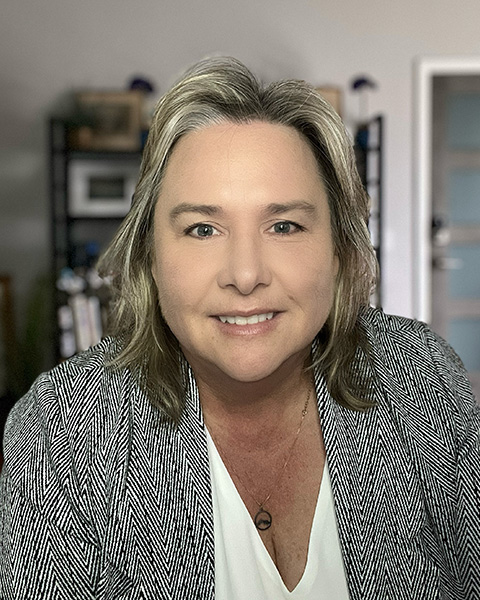
Ms. Beth Leach †
Artificial intelligence promises to transform practice marketing, yet many orthodontists struggle to bridge the gap between hype and real-world implementation. AI-Enhanced Practice Marketing: From Strategy to System delivers a practical, step-by-step roadmap for leveraging AI to drive patient engagement and consistently fill the new patient pipeline. This session moves beyond theory to provide ready-to-use tools, workflows, and prompts that support AI-powered patient acquisition, automated engagement from first inquiry to scheduled consultation, and scalable content creation for social media, email, and websites. Attendees will also learn how to optimize their practices for AI-driven search and discovery and implement simple measurement systems to track ROI and refine results. Designed for both AI-curious clinicians and those already experimenting, this lecture focuses on proven, budget-conscious strategies that require no coding and can be implemented immediately within the realities of an orthodontic practice.
Learning Objectives:
- Build your own 90-day AI marketing plan that actually fits your practice, from creating content faster to automating patient follow-up to tracking what’s bringing in new consultations.
- Get found by patients using AI search tools like ChatGPT and Perplexity by optimizing your Google Business Profile, website content, and local SEO in ways that matter for how people actually search today.
- Set up simple automation for website chat, email follow-up, and re-engagement campaigns that turn more website visitors into booked consultations without adding work to your team’s plate.
Beth Leach has worked in the orthodontic marketing field for over 20 years. She is principal in 2 orthodontic related companies: PracticeMarketer and Orthodontic Revolution. In her capacity as president of PracticeMarketer.com, Beth has generated growth in more than 2000 orthodontic practices. She is an expert in combining the latest online marketing strategies with the most effective traditional modes of practice promotion to generate high level practice growth. Beth is a highly regarded speaker who has presented at hundreds of meetings since 2000 including at the American Orthodontic Association, PCSO, RMSO, MASO, SWSO Annual Meetings as well as at numerous corporate meetings including the Damon Forum, Invisalign Summit, OrthoEase, Ortho2, Tops and Cloud 9 Users Groups and more.
In addition to working with individual orthodontists, Beth’s corporate clients include: Align Technology, Bioform Medical, Ormco, Baskin Robbins, Sunkist, Gloria Jeans Coffee, Southern California University of Health Sciences and more.
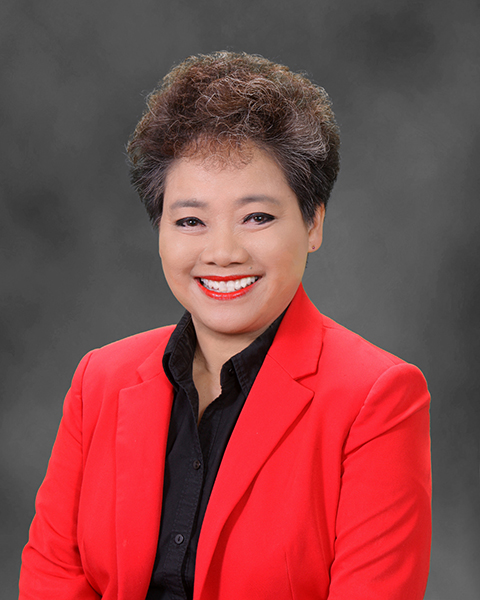
Dr. Emily Letran †
2025 Ortho Idol Winner
Being a skilled professional isn’t always enough. If people (GPs are people!) don’t know you, they won’t choose you. In an ever-changing economy, the secret to sustained growth lies in building authority: the kind of presence that earns trust, attracts new patients or referral offices, and keeps them loyal for the long haul. In this powerful presentation, coach | consultant | multiple practice owner Dr. Emily Letran shares her proven framework for becoming a standout leader in your market regardless of industry shifts or economic pressures. This will be interactive and involves YOUR team engagement so bring the whole team and take home YOUR plan to be an A** Kicker.
Learning Objectives:
- Explain the principles of authority positioning.
- Get your team engaged and enthusiastic about referral and patient care.
- Implement tools that are tried and proven to become the go to office in your community.
Dr. Emily Letran is a serial entrepreneur, CEO of several multi-specialty dental practices, and private coach to many professionals.
As an international speaker, she has been on TEDx and shared stages with countless business leaders including Sharon Lechter (Co-Author Rich Dad Poor Dad), Kevin Harrington (Shark Tank), and Dan Kennedy (Magnetic Marketing).
She has been featured on several magazines , Dental Town, Global Woman, Top Doctor, The Profitable Dentist, Hollywood Weekly, as well as the media, Yahoo!Finance, Forbes, USA Today, and FOX. She is the Director of The Los Angeles Tribune Global Journals, Co-Founder of the Los Angeles Tribune International Film Festival, the author of several books, the Founder of the non-profit Smile Champions, a Certified Kolbe Consultant, a member of Forbes Coaches Council, and the Founder of Exceptional Leverage Inc., a global coaching and consulting firm. She hosts her signature events, ACTION To WIN seminar, in several countries, and shares her expertise in personal growth and business management through her ACTION To WIN programs. Dr. Letran has been knighted as a Lady of The Royal Order of Constantine The Great and Saint Helen for her work in philanthropy, inducted as a Fellow of the International College of Dentists for her contributions to the dental community, and currently enjoys practicing dentistry with her daughter in Huntington Beach, CA.
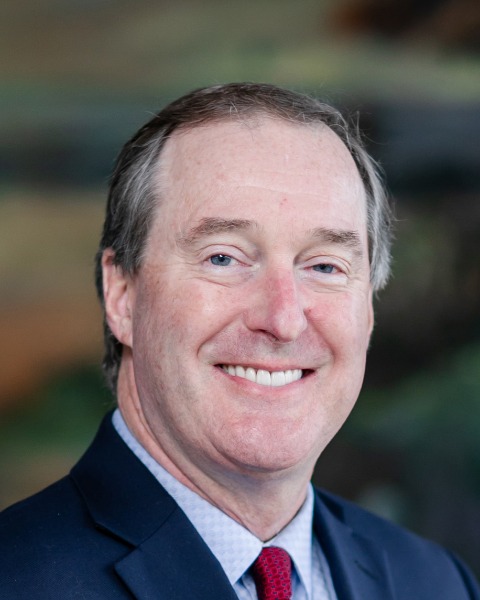
Dr. Mart McClellan †
(Sponsored by MacroWealth)
You are building a thriving practice and working diligently to accumulate assets for the future. However, accumulation alone does not guarantee retirement security, the ability to keep wealth within your family, or the creation of a meaningful legacy.
In this breakfast session, discover how orthodontists across the country are engineering the “Triple Win”: maximizing retirement income without a pay cut through evidence-based strategies and guarantees; implementing tax-efficient wealth preservation approaches that protect loved ones without unintended disinheritance; and designing purpose-driven charitable plans that create lasting impact.
As both an orthodontist and financial advisor, Dr. Mart McClellan understands the unique financial pressures, opportunities, and blind spots facing orthodontists. This session moves beyond traditional investment conversations to explore advanced cash flow strategies, distribution income planning, and intentional legacy design.
The strategies are not common, but the impact is significant!
Mart McClellan (DDS, MS) is Co-President of Macro Wealth Management. His niche is the dental profession and is a retired orthodontist as well as a financial advisor. Dr. McClellan is a Charter Member of the Forbes Speakers Group and a Certified Income Advisor. He utilizes an economically-based financial model to create short and long-term strategies for the future. Macro Wealth is the only dental-focused firm in the country who uses this process. He is the Amazon bestselling author of the book “Your Retirement Smile: The Treatment Plan for Pay-Cut Prevention in Your Golden Years” and has contributed to numerous other books, “What Would the Rockefellers Do”, “Persuasive Leadership” and “Thrive to Survive”. They are the first dental firm in America to offer cryptocurrency to their clients as well. He graduated from DePauw University participating in mission trips to Kenya, the Amazon Rain Forest in Peru, plus Guatemala, and went to Northwestern University for his dental degree and the University of Michigan for his orthodontic residency.
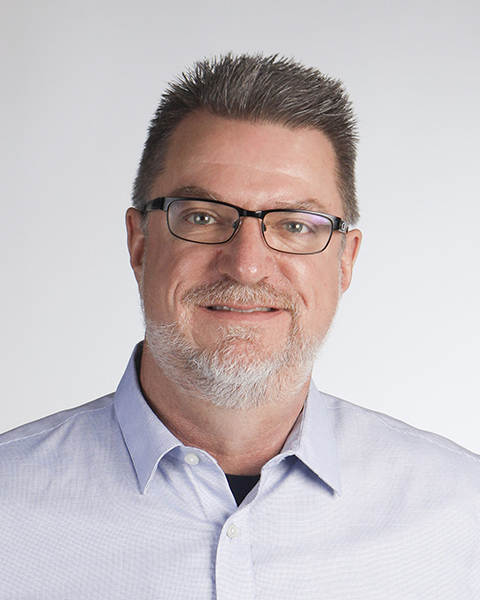
Dr. Andrew Nalin †
(Sponsored by Zendura Dental)
Seriously! What is keeping you from adopting in-house aligners and/or retainers in your practice? Is it loyalty to companies that have shown no loyalty to you? Is it that huge discount you get and the thinking that there is no way you could do it yourself profitably? Is it that you think it is something that will take up all of your valuable time? The hardware, software, materials, and workflows have become very user-friendly and the return on investment is considerable. I will show what has evolved over ten years of digital aligner and retainer fabrication in our office and what I currently use in my workflows. We will discuss the advantages of cost savings for you and your patients, convenience for your patients, and more control over the process with less frustration trying to communicate your preferences for your cases.
Learning Objectives:
- Identify which hardware, software, and materials are necessary for fabrication of in house retainers and clear aligners.
- Recognize how making retainers and aligners in your office is not only good for your finances, but also for your patients.
- Determine why Zendura thermoformed sheets are the ideal materials to use to be successful with retainers and aligners.
Dr. Andrew Nalin has maintained a private practice in Mount Vernon, WA since 2007. He attended the University of Washington School of Dentistry, graduating in 1998. He entered the United States Air Force, graduated from an AEGD program in 1999, practiced as a general dentist for 3 years, then entered the Tri-Service Orthodontic Residency Program, graduating in 2005. He was a very early adopter of 3D printing in dentistry, beginning in early 2016. He has been printing models for retainers and fabrication of in-house aligners ever since. He has spoken on the subjects of 3D printing, intraoral scanning, and in-house aligner fabrication all across the United States.
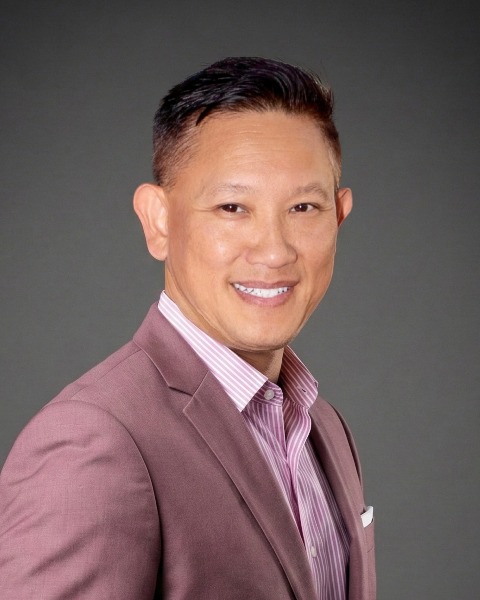
Dr. H. Derick Phan †
(Sponsored by Align Technology)
For many orthodontists, Phase I has been more stress than success.
Unplanned emergencies. Extra appointments. Workflow inefficiencies. Questions about long-term value.
But what if early treatment could become one of the most precise, predictable, and practice-building services you offer?
In this engaging and clinically grounded session, Dr. H. Derick Phan shares how incorporating a thoughtful digital approach has transformed the way he designs and delivers Phase I care. By leveraging intentional treatment planning, strategic space development, and simultaneous arch coordination and expansion, doctors can improve clinical control, enhance workflow efficiency, and create smoother transitions into Phase II treatment.
When Phase I is thoughtfully designed, it becomes more than early alignment — it becomes early engagement.
Not just correction, but connection.
Not just a Phase I patient, but a lifetime relationship.
Attendees will explore strategies through documented case examples, practical design protocols, and real-world practice insights.
Learning Objectives:
- Reduce unnecessary chair time.
- Improve clinical predictability.
- Strengthen referral relationships.
- Increase lifetime patient retention.
Dr. H. Derick Phan is an orthodontist, educator, and nationally recognized clear aligner expert based in San Jose, California. With more than 25 years of clinical experience across general dentistry, pediatric dentistry, and orthodontics, he brings a uniquely comprehensive perspective to modern orthodontic care.
Dr. Phan earned his Bachelor of Science degree from the University of California, Riverside, where he competed as a collegiate volleyball player while coaching and working as a dental assistant. He received his Doctor of Dental Surgery degree from the University of Detroit Mercy and completed advanced clinical training at the Loma Linda VA Medical Center, managing complex and surgical cases early in his career. After practicing family, cosmetic, and pediatric dentistry, he pursued specialty training in orthodontics at Jacksonville University, where his research focused on Invisalign® and interproximal reduction.
Today, Dr. Phan is recognized as a Top 1% Apex Invisalign provider and lectures on clear aligner therapy, interdisciplinary treatment planning, and practice growth. He frequently collaborates with surgical teams affiliated with Kaiser, Stanford, and UCSF to deliver comprehensive care for complex cases.
A lifelong athlete and coach, Dr. Phan has led high school volleyball programs across five states for over 16 years. He remains active in competitive track and field and is an avid snowboarder, embodying the discipline and perseverance he brings to mentorship, service, and the orthodontic profession. Above all, he is a devoted husband and proud father of three, and enjoys life at home with his family and their golden doodle, Murph.
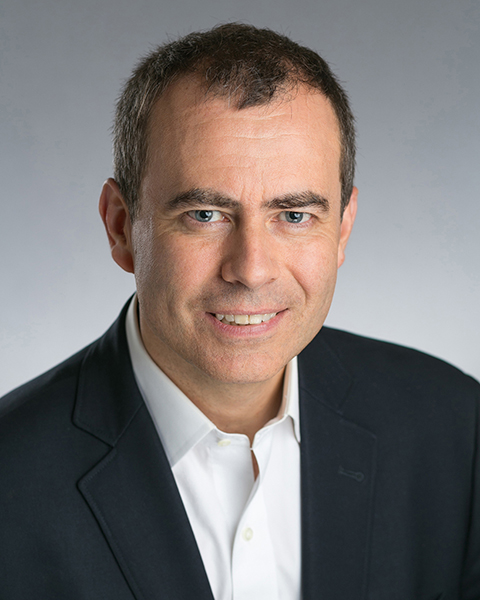
Dr. Antonio Secchi †
(Sponsored by GC Ortho)
How do you treat a Class II?
It is one of the most common questions in orthodontics — and the correct answer is always the same: it depends on the type of Class II. Class II malocclusions are not all the same, and they should not all be treated the same way.
Successful outcomes begin with precise diagnosis, followed by the application of simple, effective, and biologically sound treatment mechanics. In this lecture, Dr. Secchi will review the critical diagnostic features used to differentiate the various Class II presentations and discuss practical treatment strategies to correct them in an efficient and predictable manner.
Learning Objectives:
- Identify the different clinical presentations of Class II malocclusions through a systematic diagnostic approach, including skeletal, dental, and growth considerations.
- Recognize the critical role of leveling the occlusal plane in the correction of Class II malocclusions.
- Discuss the importance of the transverse dimension in Class II correction and its influence on sagittal correction, stability, and overall treatment success.
- Implement practical and effective treatment mechanics for the correction of Class II malocclusions while optimizing treatment time and patient outcomes.
Dr. Secchi maintains a private practice in Devon, PA. He is a Diplomate of the American Board of Orthodontics and member of the Edward H. Angle Society of Orthodontists.
Dr. Secchi received his DMD, Certificate in Orthodontics, and a Master of Science in Oral Biology from the University of Pennsylvania, same institution where he taught for over 10 years holding the position of Clinical Assistant Professor and Clinical Director of the Department of Orthodontics.
Dr. Secchi has published in various dental and orthodontic peer review journals in the areas of treatment mechanics and the straight wire appliance. He wrote the chapter “Contemporary Mechanics Using The Straight Wire Appliance” for the last three editions of the Graber/Vanarsdall/Vig orthodontic textbook.
Dr. Secchi received the 2005 David C. Hamilton Orthodontic Research Award from the Pennsylvania Association of Orthodontists (PAO), the 2010 and 2013 Outstanding Teacher Award from the Department of Orthodontics of the University of Pennsylvania.
Dr. Secchi is the founder of the “Complete Clinical Orthodontics System” (CCO System™) and over the last 15 years, he has lectured to orthodontists in the USA as well as over 22 countries throughout the world.
Dr. Secchi loves to spend time with his wife and 5 children. He is a passionate photographer and likes people, traveling and sports.
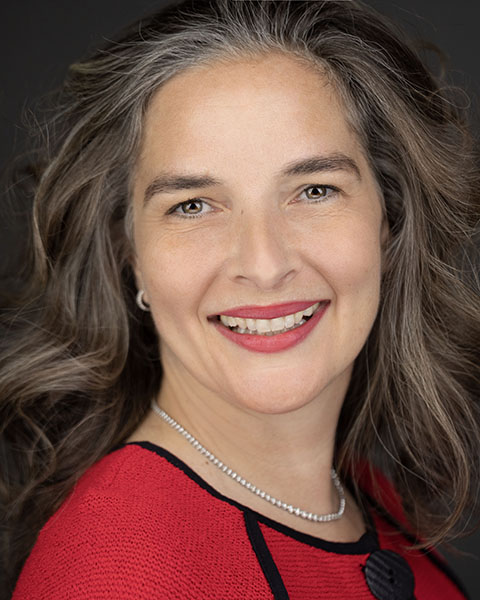
Dr. Dania Tamimi
The dentoalveolar complex is often the center of attention when it comes to orthodontics, including TAD and clear aligner treatment, but its anatomy, physiology and function are often overlooked when diagnosing this structure to receive these treatments. CBCT can offer great insight into the condition of the jaws and teeth and to help orthodontists avoid problems due to incomplete diagnosis. It can help in the evaluation for abnormal anatomy, the presence of pathology, the boundary conditions of the alveolar process and the changes that can occur to the jaws as a result of TMJ dysfunction and airway compromise. This lecture aims to show the power of CBCT imaging in the correct diagnosis of the alveolar processes prior to treatment planning to aid in choosing the correct treatment and avoiding complications.
Learning Objectives:
- Analyze patterns of alveolar process remodeling secondary to altered or unfavorable function.
- Describe the role of the TMJ and airway in the morphology of the alveolar process.
- Recognize the normal anatomy and the patterns of abnormality that may indicate pathology.
- Demonstrate how to section CBCT data to evaluate the alveolar processes for various orthodontic tasks, such as TAD placement, and determine boundary conditions.
Dr. Dania Tamimi graduated with a dental degree from King Saud University, Riyadh, Saudi Arabia. She trained at Harvard School of Dental Medicine and earned a doctorate of medical science (DMSc) and certificate of fellowship in Oral and Maxillofacial Radiology in 2005. She is board certified by the American Board of Oral and Maxillofacial Radiology (ABOMR) and is a Fellow of the International College of Dentists. She is a reviewer and an Editorial Board member for Oral Surgery, Oral Pathology, Oral Medicine and Oral Radiology (OOOO), as well as a reviewer for DMFR, Oral Radiology, Head and Neck, Angle Orthodontist and AJO-DO. She is the lead author on two textbooks: “Specialty Imaging: Dental Implants” (which has been translated to Portuguese and Russian) and “Specialty Imaging: Temporomandibular Joint and Sleep-Disordered Breathing” (translated to Spanish and Chinese) and a co-lead author on “Diagnostic Imaging, Oral and Maxillofacial” (translated to Spanish). She lectures nationally and internationally. She currently runs her oral and maxillofacial radiology private practice in Orlando, Florida.
Saturday's Speakers
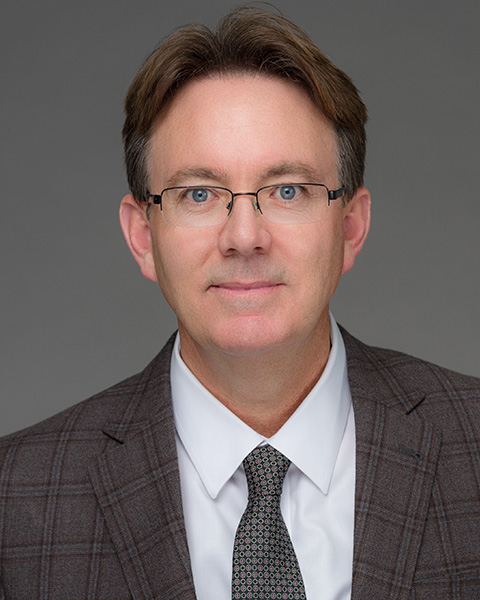
Dr. Will Andrews
2026 President's Lecture
Successful orthodontic treatment involves positioning teeth optimally within each jaw, correcting jaw relationships in all three dimensions, and ensuring that the teeth and jaws are in harmony with the face. Optimality implies that the positions of the teeth and jaws demonstrably serve the patient’s best interests in regards to health, function, and appearance. Understanding the impacts of growth on the facial profile as well as the limitations of growth modification are crucial to achieving intended outcomes. New evidence will be shared that sheds light on diagnosis, treatment planning, and treatment mechanics for the critical AP dimension for growing and non-growing patients.
Learning Objectives:
- Determine optimal incisor positioning within each jaw.
- Identify optimal AP jaw and incisor positions within the context of the face.
- Explain how growth may influence AP treatment planning.
Dr. Will A. Andrews attended dental school at the University of California Los Angeles (UCLA) and received orthodontic specialty training at the University of California San Francisco (UCSF). He is a Diplomate of the American Board of Orthodontics, past-president of the Southern California Component of the Edward H. Angle Society of Orthodontists, and Director of the L.F. Andrews Foundation for Orthodontic Education and Research. He is a visiting lecturer at UCSF, an adjunct assistant professor at West Virginia University, and an adjunct associate professor at the University of North Carolina. Dr. Andrews has published several peer-reviewed articles, lectured worldwide, and co-authored a textbook titled The Six Elements Orthodontic Philosophy. He resides and maintains a private practice limited to orthodontics in San Diego, California.
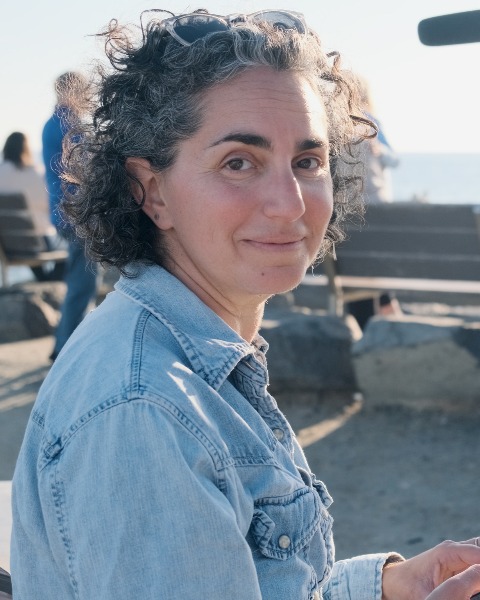
Ms. Natasha Benjamin
The ocean plays a vital yet often overlooked role in human health—producing over half the oxygen we breathe, regulating climate, sustaining food systems, and supporting mental and emotional well-being. As ocean ecosystems rapidly change, these essential services are increasingly at risk.
In this keynote, marine science communicator and filmmaker Natasha Benjamin explores the concept of Blue Health and the growing connections between ocean degradation and public health. Through science, storytelling, and insights from her documentary Sequoias of the Sea, she examines the impacts of climate change, kelp forest collapse, plastic pollution, and over fishing on marine ecosystems, coastal communities, and human well-being.
Highlighting both urgent challenges and hopeful solutions—such as California’s marine protected areas—this talk invites health professionals to consider environmental stewardship as an extension of patient care. Attendees will leave with a clearer understanding of how ocean health supports human health and how individuals can play a meaningful role in protecting both.
This session does NOT qualify for CE credit.
Learning Objectives:
- Describe the ocean’s essential functions in supporting human health, including oxygen production, climate regulation, food security, and mental well-being.
- Identify key ocean-related environmental stressors—such as climate change, kelp forest loss, plastic pollution, and overfishing—and analyze their direct and indirect impacts on public health and coastal communities.
- Evaluate practical actions health professionals can take to support ocean conservation, environmental stewardship, and public health advocacy within their professional and local communities.
Natasha Benjamin is a marine scientist and filmmaker dedicated to protecting and restoring the world’s oceans. Based in Northern California, she has spent more than two decades working at the intersection of ocean conservation, storytelling, and communications. A lifelong ocean lover — surfer, diver, and advocate — Natasha brings both scientific expertise and personal passion to her work.
As a producer for the Peabody Award–winning Brick City TV series, she has seen firsthand how powerful storytelling can shift perspectives and spark change. Her filmmaking includes the award-winning documentary Sequoias of the Sea, which reveals the dramatic collapse of Northern California’s kelp forests and the urgent efforts to restore them.
In her role as Associate Director of Blue Frontier, Natasha helps lead national efforts to grow and strengthen the ocean conservation movement. She works on ocean-climate policy, builds partnerships across organizations, supports grassroots and youth leaders, and develops campaigns that bring critical ocean issues into the public spotlight. She is also helping spearhead Blue Frontier’s upcoming KELP (Kelp Education Learning Program) Campaign, a global media and public-awareness initiative positioning kelp as “the new coral” and elevating the urgency of kelp forest recovery worldwide.
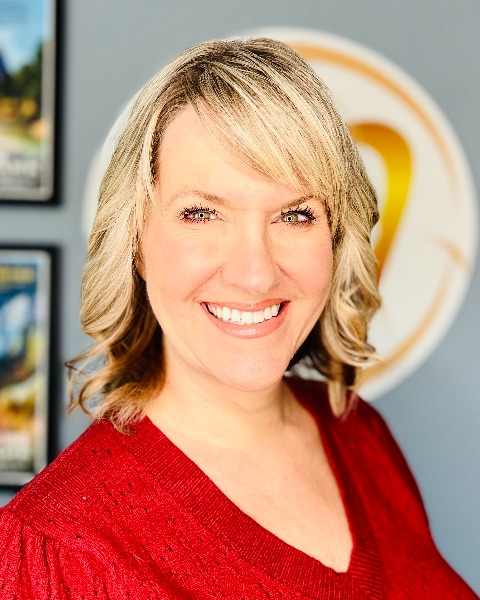
Ms. Shelley Bostrom †
(Sponsored by ADIT)
What happens between the first phone call and a signed contract is where practices either gain momentum—or quietly lose opportunities.
In Closing the Gaps, Shelley Bostrom pulls back the curtain on the most common breakdowns that occur between call-to-consult and consult-to-contract workflows—and shows you exactly how to fix them. This high-energy, practical session blends real-world strategy with relatable scenarios to help doctors and teams identify friction points that slow growth, confuse patients, and cost starts.
Attendees will learn how to create seamless, patient-centered workflows that improve communication, build trust, and increase conversion—without adding stress or complexity to the day. Shelley will walk through proven systems that align the front desk, Treatment Coordinators, and clinical teams so every patient experiences consistency, clarity, and confidence at every touchpoint.
This session is designed for practices that want stronger flow, higher case acceptance, and a more empowered team—while delivering an exceptional new patient experience.
Learning Objectives:
- Identify common breakdowns in call-to-consult and consult-to-contract workflows that negatively impact patient experience, team communication, and case acceptance.
- Analyze current new patient intake and consultation processes to determine opportunities for improved efficiency, consistency, and conversion.
- Implement practical strategies and communication frameworks that streamline handoffs between front desk, Treatment Coordinators, and clinical teams to improve workflow flow and contract completion.
Shelley Bostrom, founder and owner of Align My Practice, is a dynamic speaker, trusted business consultant, and passionate team coach supporting orthodontic practices nationwide and internationally. Known for her infectious energy and relatable approach, Shelley empowers practices to not only perform at a high level—but to thrive with clarity, confidence, joy, and purpose.
With more than 30 years in the dental and orthodontic industry, Shelley’s journey began at age 18 as a Registered Dental Assistant in Southern California. A Southern California native with a gift for hospitality, she simultaneously held leadership roles at Nordstrom, earning regional recognition for customer service and sales excellence while pursuing her education in dental hygiene. Nordstrom’s philosophy of “delivering exceptional service—one customer at a time” became a cornerstone of Shelley’s professional mindset and continues to influence her work.
As her dental career evolved, Shelley transitioned from the clinical side of dentistry into leadership, operations, and business strategy—ultimately holding every role within a dental practice (except doctor). This hands-on experience, paired with her entrepreneurial background, gives her a practical and results-driven perspective.
Through Align My Practice, Shelley is known for simplifying complex systems, staying solution-focused, igniting accountability, and creating meaningful connections across teams. Her speaking and coaching style is engaging and heart-centered—equipping audiences with tools they can implement immediately to strengthen systems, elevate patient experience, and build confident, aligned teams.
When you partner with Shelley, you don’t just leave inspired—you leave equipped, energized, and ready to elevate both your practice and your team.
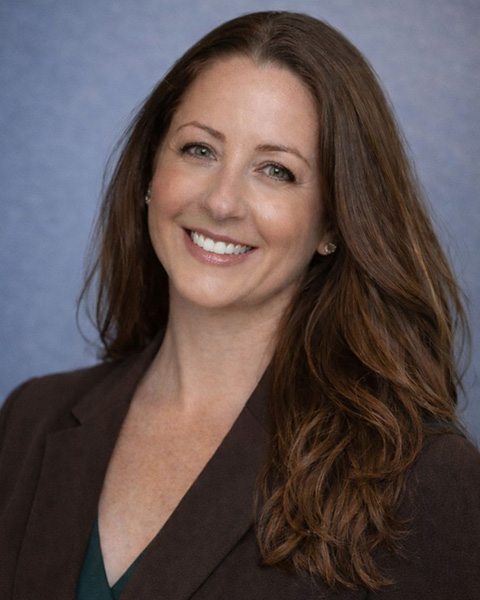
Dr. Lacey Courchaine
The gut microbiome plays a central role in regulating inflammation, immune function, nutrient absorption, metabolism, hormonal balance, and mental health. Disruption of this ecosystem—known as dysbiosis—can contribute to increased intestinal permeability, chronic systemic inflammation, and impaired absorption of key nutrients essential for tissue repair, bone health, and immune resilience.
This presentation examines the bidirectional relationship between gut microbiome dysfunction and oral health, with a specific focus on gingival and periodontal disease. Systemic inflammation and micronutrient deficiencies driven by poor gut absorption can impair wound healing, alter immune response, and increase susceptibility to periodontal breakdown, directly influencing orthodontic treatment outcomes and long-term oral stability.
Attendees will gain a clinically relevant understanding of how gut inflammation manifests in oral tissues and why the mouth serves as a critical upstream component of the gut–immune axis. This session highlights the orthodontist’s role in recognizing systemic contributors to oral disease and supporting more comprehensive, root-cause–oriented patient.
Learning Objectives:
- Describe the role of the gut microbiome in regulating systemic inflammation, immune function, nutrient absorption, and metabolic and hormonal balance.
- Explain how gut dysbiosis and impaired nutrient absorption contribute to gingival and periodontal disease through inflammatory and immune-mediated pathways.
- Identify clinical patterns and patient presentations in orthodontic practice that may suggest underlying microbiome imbalance or systemic inflammation.
- Apply a systems-based perspective to oral health by recognizing the mouth’s role in the oral–gut axis and understanding when interdisciplinary collaboration may support improved patient outcomes.
Dr. Lacey Courchaine is a naturopathic physician specializing in women’s health, hormone optimization, endocrinology, and gut health. Originally from Kansas City, Missouri, she completed her undergraduate studies at Portland State University, graduating at the top of her class with Honors and earning a degree in Molecular and Microbiology.
Initially on the path toward an MD/PhD, Dr. Courchaine ultimately chose naturopathic medicine after recognizing the limitations of conventional approaches in addressing root causes and treating the body as an integrated whole. She earned her medical degree from Southwest College of Naturopathic Medicine in 2019 and has since been practicing in Scottsdale, Arizona.
Dr. Courchaine is known for her comprehensive, patient-centered approach to care, blending scientific rigor with functional and preventative strategies to optimize long-term health. Outside of the clinic, she enjoys traveling to new places, discovering exceptional food, spending time with her family, continuing her education in health and medicine, lifting weights, and doting on her beloved doodles.
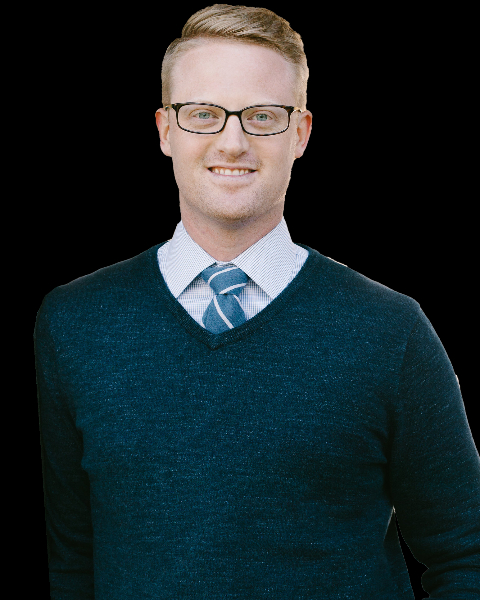
Dr. Blake Davis †
(Sponsored by DentalMonitoring)
This session examines the clinical and operational transition to a comprehensive digital orthodontic workflow. Dr. Blake Davis will evaluate the diagnostic value of digital modeling and discuss evidence-based methodologies for assessing practice health through data analysis. The lecture will explore the core technologies required to facilitate an end-to-end digital ecosystem. Participants will review specific clinical protocols and remote monitoring workflows designed to enhance the patient experience, optimize team ergonomics, and improve practice productivity.
DentalMonitoring will offer CE.
Learning Objectives:
- Evaluate the impact of digital integration on long-term practice viability and clinical sustainability.
- Identify the essential technological components of a digital workflow and the specific key performance indicators (KPIs) used to measure clinical and operational success.
- Implement remote monitoring protocols to standardize clinical workflows, restructure team responsibilities, and minimize overhead through increased automation.
Dr. Blake Davis is a board-certified orthodontist, completing his dental school and orthodontic residency at the University of Washington. He has continued at the university as a lecturer and faculty member, with a focus on modern approaches to orthodontic practice and interdisciplinary care. Dr. Davis has participated in numerous studies and has been published in the AJODO. He serves on the Clinical Executive Board for LightForce, lectures around North America for LightForce and Dental Monitoring, and was past president for the Washington State Society of Orthodontists.
Outside the office, Dr. Davis can be found drinking a nitro cold brew, rooting on his favorite sports teams, going back for a second helping of ice cream, reading motivational books, chasing after his two boys, and under normal conditions, sharing an evening with his wife at one of their favorite restaurants or venues near their home in Bellevue, Washington.
Mr. Joe DiPenta † & Ms. Anastasia Toomey †
(Sponsored by EOS)
Information coming soon
Meet Joe DiPenta – a trailblazer in the world of professional hockey and business leadership. In 2007, he brought the Stanley Cup to his hometown of Cole Harbour, Nova Scotia, predating even Sidney Crosby’s triumph in 2009. Recognized for his achievements, Joe joined the Nova Scotia Sports Hall of Fame in 2023.
Beyond the sports arena, Joe is a devoted husband of 19 years to Jessica and has been a hands-on coach for his 12-year-old daughter Chloe’s hockey team. Professionally, he’s an EOS Implementer, finding joy in helping clients achieve 18% YoY growth, fostering a positive work culture, and allowing more quality time with family.
With 24 years of experience, Joe has thrived in leadership roles, both as an entrepreneur and a Vice President. As an EOS Implementer, he attained certified status swiftly, boasting a solid track record with an average session rating of 9.25 across 30 organizations. Joe’s success stems from his commitment to systems, drawn from his extensive background in professional sports and business.
Today, Joe DiPenta shares his insights on leadership and the transformative impact of effective systems.
Anastasia has over 30 years of experience in brand management, advertising, research, equity-building and strategic business planning that allow her to approach brands, teams, companies, and business management from every perspective. She has owned and sold 3 companies, sat on multiple leadership teams, and faced most issues that leaders face today – sometimes successfully and sometimes, well, let’s just say she learned a lot along the way!
Today she focuses her energy on value creation for entrepreneurial leadership teams as an Expert EOS Implementer®, a Certified Outgrow Advisor®, and a Certified Exit Planning Advisor. Her EOS Life™ includes travel, lots of time outdoors, and walking her new puppy, Larry. She loves her work, her reading time, and her life in Colorado with her husband Rob, and she truly believes that this could be the year for the Buffalo Sabres.
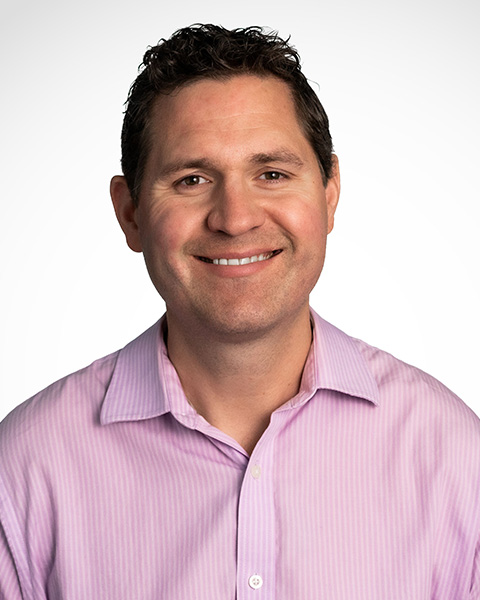
Joe DiPenta
Anastasia Toomey
Dr. Colby Gage †
(Sponsored by GRIN)
In today’s consumer-driven market, orthodontic patients demand a treatment experience that combines high-quality, personalized clinical care with the convenience of modern digital technology. In this session, Dr. Colby Gage will explore how LevelUp Orthodontics relies on the optimization of digital tools like remote monitoring to revolutionize patient care between visits. You will learn how leveraging platforms like Grin allows you to scale your practice while maintaining deep personalization. Dr. Gage will share practical strategies for using AI responsibly with real human personalization, ensuring your clinical expertise remains front and center while providing a uniquely engaging, human-backed digital experience that combats direct-to-consumer models.
Learning Objectives:
- Demonstrate how to implement remote monitoring to deliver a convenient treatment experience rooted in deep personalization, respecting patients’ busy work and school schedules while maintaining meaningful, relationship-building touchpoints between in-office visits.
- Discover strategies to reduce non-productive chair time such as routine compliance checks, hygiene reinforcements, and emergency triage by utilizing Grin Care Specialists and Copilot, which opens up your schedule for profitable new patient starts.
- Illustrate how adopting an orthodontist-directed, human-backed digital workflow creates a powerful value proposition that drives ultimate patient satisfaction and generates new customer leads through organic referrals.
Dr. Gage received his dental degree from Western University of Health Sciences College of Dental Medicine as part of the inaugural class. He then attended the Arizona School of Dentistry and Oral Health and received his certificate in Orthodontics and Dentofacial Orthopedics as well as a Doctorate in Health Education. Dr. Gage currently serves as adjunct faculty at WesternU College of Dental Medicine and is a Diplomate of the American Board of Orthodontics. He is an early adopter of digital orthodontic systems and lectures across the US and internationally on orthodontic branding and differentiation, efficient orthodontic techniques, business topics and improving conversion rate. He owns and operates LevelUp Orthodontics in Parker, Colorado and is a dedicated husband of 20 years and has 4 children.
Mr. Chris Hurlman †
(Sponsored by Yellow Telescope)
This course will coach doctors, practice managers (administrators), and patient concierge/sales staff in the often-overlooked initial phone call. This course will teach techniques proven over $3 billion in results and 18 years of experience spanning North America, in how to prepare the patient for consultation in an ethical way to ensure preparedness to double booking ratios.
Take Aways: Attendees will learn a proven, replicable process of how to ask patients the right questions and provide the right information, in specific order, ultimately helping ensure the patient is ready to reserve a date to begin treatment on their first visit in the office, without pressure tactics.
This session does NOT qualify for CE credit.
Chris is a graduate of the Belk College of Business at the University of North Carolina at Charlotte and an accomplished entrepreneur and performance specialist. At just 21 years old, he founded his first company, scaling it to more than $12 million in revenue and building a team of hundreds of employees across North Carolina.
After successfully exiting the business, Chris transitioned into consulting within the med spa, dental, and chiropractic industries. He served as the second-in-command to the owner of an eight-figure consulting organization, helping grow the company from nearly the ground up.
Today, Chris is a Sr. Consultant with YellowTelescope, the medical industry’s premier staffing and practice training company, where he uses YellowTelescope’s proprietary sales process to works with medical practices nationwide to drive sustainable growth and operational excellence. He lives in Charlotte, North Carolina with his wife and young daughter.
Dr. Christina Jackson †
A digital treatment plan and custom bracket prescription can help you treat difficult cases in a way that analog brackets can’t. The power of a personalized appliance will be explored through a variety of case types including Class II Div 2, vertically challenged, and more. Topics discussed will include the digital prescription submission, tips for digital treatment plan review, and treatment mechanics with a fixed digital appliance.
Learning Objectives:
- Describe how to fully customize all areas of a fixed appliance, including slot size, hook selection, and other features.
- Explain beneficial digital overcorrections and when to apply them.
- Outline clinical protocols designed to maximize treatment efficiency with a personalized prescription.
Dr. Jackson received her Bachelor of Science in Mechanical Engineering from MIT, after which she parlayed a poker hobby into a five-year career as a High-Yield Bond Trader for Goldman Sachs. She then attended the Harvard School of Dental Medicine and completed her orthodontic residency at the University of North Carolina at Chapel Hill. Following residency, she obtained funding from the National Science Foundation to investigate 3D metal printing protocols for orthodontic appliances. Today, she is adjunct faculty at the University of North Carolina at Chapel Hill, serves on the board of the AAO Foundation, is the chair of Clinical Innovation Advisory Board at the Harvard School of Dental Medicine, and innovates with LightForce as Head of Clinical Affairs. She resides in Lexington, MA with her husband and three daughters.
Ms. Cassie Kellner †
Running an orthodontic practice is a team sport, and the way your team communicates will either fuel momentum or create bottlenecks. In this high-energy session, Cassie Kellner shows you how to bring clarity, consistency, and calm to your daily workflow using Asana. Attendees will learn how purposeful task management transforms team accountability, strengthens communication, and creates a more predictable patient experience.
You’ll walk away with practical templates, simple system upgrades, and real-world examples you can implement immediately whether your team is brand-new to digital task management or ready to level up your current approach. Expect a blend of strategy, fun, and hands-on learning that helps you streamline your operations and empower your team to do their best work every day.
Learning Objectives:
- Recognize how today’s learner thrives in a digital, visual, and organized environment and how purposeful task management supports faster understanding and stronger follow-through.
- Design an Asana workspace that modernizes team communication, reducing interruptions, clarifying priorities, and creating predictable handoffs throughout the patient journey.
- Implement simple digital workflows and templates that streamline training, standardize processes, and help every team member stay aligned in real time.
- Apply practical strategies to bring your team into today’s digital world, boosting engagement, accountability, and overall practice efficiency through intentional communication and system clarity.
Cassie Kellner is the founder of Everbloom, a practice coaching company that helps orthodontic teams strengthen their culture, streamline systems, and implement effective onboarding programs. With over 20 years of experience in orthodontics, Cassie began her career as a dental assistant under Dr. Rick McLaughlin’s mentorship. Her passion for building strong, collaborative teams led her to leadership roles, where she developed skills in team management and operational efficiency. Through Everbloom, Cassie works with orthodontic practices to enhance leadership, improve processes, and create positive work environments that foster both employee satisfaction and patient care excellence. She is a strong advocate for a “team-first” approach, believing that a thriving practice is built on prioritizing team development and operational efficiency.
Mr. Ryan Moynihan †
In this course, participants will explore the role of data and analytics in modern orthodontic practice management. We’ll dive into how tracking operational metrics can improve clinical outcomes and streamline business operations. Attendees will learn how to use data-driven insights to convert patients, optimize workflow efficiency, and increase practice profitability. This session will provide actionable strategies for integrating analytics into everyday practice, helping orthodontists stay ahead of industry trends and adapt to a rapidly changing landscape.
Learning Objectives:
- Evaluate the orthodontic market dynamics in today’s ever-changing economy, enabling participants to make informed decisions for practice success.
- Identify the seven critical metrics for practice profitability.
- Acquire a practical blueprint for optimizing orthodontic practice operations, with a focus on improving patient care and business outcomes.
Ryan Moynihan became the CEO of Gaidge in 2017, bringing over 24 years of experience in finance, analytics, strategy, sales, marketing, business development, product management, and operations. He has worked with prominent Fortune 100 companies including Disney, Intel, Ernst & Young, and Miller Brewing Company. After earning his MBA from Georgetown, Ryan dedicated the past 18 years to the Dental/Orthodontic industry, holding leadership roles in operations, marketing, and sales at PracticeTek, Gaidge, Ormco and 3M. He currently resides as the Chief Commercial Officer at Southern Orthodontic Partners.
Dr. Martin Palomo
With more than 80 respiratory disorders, the orthodontist can play a significant role in helping children and adults, especially in the treatment of Obstructive Sleep Apnea (OSA). This presentation will show how the dentist can help identify and manage OSA in pediatric and adult patients, the difference between treatment and management, the potential effects of orthodontic treatment, and possible solutions. As healthcare providers, there is a lot more we can do for our patients, but this does not mean it needs to interfere with the efficiency and practice flow already in place.
Learning Objectives:
- Incorporate OSA risk assessment in a busy office.
- Describe the dentist’s role in identifying and managing patients with OSA.
- Explain available management and treatment options for OSA.
Dr. Juan Martin Palomo is a tenured professor and the Orthodontic Residency Director at Case Western Reserve University in Cleveland, Ohio. Dr. Palomo’s contributions to craniofacial imaging, informatics, and airway analysis have been recognized through medical and dental research awards, national and international presentations, and numerous peer-reviewed publications. He is a member of the AAO Committee on Conferences, AAO Council on Education, the Associate Editor for the Digital Orthodontics section of the AJODO, Associate Editor for the Sleep and Breathing Journal, the AAO representative for Image Gently, and the past chair of the AAO Committee on Technology. He is also the chair of the AAO Task Force that is updating the white paper on the orthodontist’s role in treating patients with Sleep Apnea. He is a board-certified orthodontist, an Angle Society member, and an active member of the American Association of Orthodontics, the American Academy of Oral and Maxillofacial Radiology, and the American Academy of Sleep Medicine.
Dr. Ute Schneider-Moser
Missing teeth in the esthetic zone are mostly due to agenesis or trauma. With full functional and esthetic rehabilitation as the primary goal, the affected patient needs a skilled interdisciplinary team for joint treatment planning and thorough evaluation of all existing alternatives and consecutive comprehensive execution of the chosen treatment approach.
When implants came on the market, edentulous areas in the esthetic zone were enthusiastically managed by delivering implant-borne crowns with or without hard and/or soft tissue grafts. However, assessment of the long term results often revealed not only white and pink aesthetic complications, but also functional issues due to periimplantitis and implant infraocclusion. In contrast, the cantilever resin bonded fixed partial denture has proven to be a viable alternative to implant-borne crowns. The new single-wing design has resolved the nuts and bolts of the traditional two-connector Maryland bridge so that these devices are no longer considered only as long-term provisional solutions but as the definitive prosthodontic substitution for missing teeth in the esthetic zone. Nonetheless, if patients accept an orthodontic approach, space closure remains the preferred option as predictable periodontally maintainable long term results can be achieved after optimizing the esthetic aspect with minimally invasive restorative tooth reshaping. In certain patients, premolar or lower incisor autotransplantation can also be an option if the right criteria are met. The spectrum of existing treatment possibilities for missing teeth in the esthetic zone will be discussed and concluded by presenting an interesting ‘out-of-the-box’ approach for a patient with multiple agenesis.
Learning Objectives:
- Critically highlight the pros and cons of different treatment strategies for missing teeth in the esthetically sensitive zone.
- Emphasize the need for treating these patients with an equally skilled interdisciplinary team.
- Highlight the unpredictability of implant borne crowns not only in the esthetic zone.
- Present long-term maintenance of non-ankylosed deciduous incisors as an alternative treatment option.
Dr. Ute Schneider-Moser has been running an orthodontic office together with her husband Lorenz for 40 years in Bolzano, Italy. She received her dental training from the University of Mainz, Germany and her orthodontic training from the University of Ferrara, Italy. Dr. Schneider-Moser teaches at the University of Ferrara and at the University of Pennsylvania and has served as President of the Italian Academy of Orthodontists AIDOR and the Italian Society of Orthodontists SIDO. She was the President of the Eastern Component of the E.H. Angle Society of Orthodontists EHASO and during COVID 19 she founded the ‘Angle-net’ together with Renato Cocconi, the former President of the Angle Society of Europe ASE, a complimentary sponsor-free global webinar series for the postgraduate orthodontic community to promote excellence in orthodontics around the globe with more than 10.000 registered participants.
Ute’s main interests include early orthodontic treatment, interdisciplinary management of complex malocclusions, efficient biomechanics, and evidence-based orthodontics.
Apart from lecturing frequently at national and international conferences, she has published in peer-reviewed journals and has contributed to several textbooks and currently serves as Associate Editor of Seminars in Orthodontics and the Journal of Esthetic and Restorative Dentistry.
Dr. Sandra Tai †
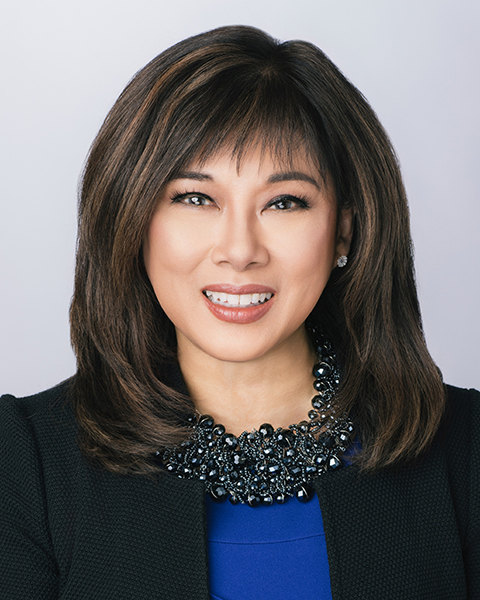
The evolution of digital technology in orthodontics has created the opportunity to design not only great occlusions, but also to take a facially driven approach to smile design. This presentation will discuss micro and macroesthetics of the smile and how orthodontic treatment impacts the smile, soft tissue features and facial profile of the patient. Digital tools like in face visualization, facial scans integrated with the digital treatment plan assist the orthodontist in making the proper treatment plan to position the smile within the face. Facial changes will be illustrated with clinical cases that demonstrate changes in smile arc, incisal display, lip posture and profile changes through orthodontic treatment, skeletal growth modification and orthognathic surgery.
Learning Objectives:
- Approach diagnosis and treatment planning with a facially driven perspective.
- Discover the latest digital tools available to assist the orthodontist in designing the smile within the face.
- Review how different orthodontic treatment plans will impact the smile and the soft tissue facial profile.
- Design digital treatment plans with the smile esthetics in mind.
Dr. Sandra Khong Tai is a Clinical Assistant Professor in Orthodontics at the University of British Columbia, and an Adjunct Clinical Assistant Professor at the University of the Pacific. Dr. Tai is a Diplomate of the American Board of Orthodontics. She has treated over 5000 cases with clear aligners since 2000. Dr. Tai is the author of the textbook Clear Aligner Technique, the first edition of which has been translated into 13 languages. She has authored a chapter on Clear Aligner Treatment in the 7th edition of Graber’s Orthodontics (Elsevier 2023). She has also written a chapter for the Moyer’s 58th Craniofacial Growth Series (2022) on Deep Bite Treatment with Clear Aligners. She is a member of the Editorial Board of Seminars in Orthodontics and the Journal of Aligner Orthodontics, as well as the Clinical Advisory Council for the Journal of Clinical Orthodontics. She is a reviewer for several renowned orthodontic journals and has published numerous research papers on clear aligners. Dr. Tai is a much sought after international speaker and lectures globally on clear aligner technique.
Mr. Ryan Williams †
(Sponsored by DIBS AI)
Many orthodontic practices continue using traditional direct bonding because it feels familiar, but the hidden costs of maintaining the status quo are often overlooked. Using data from over 1,000 patients treated with DIBS AI, this session explores the true cost of doing nothing versus adopting digital indirect bonding.
This session does NOT qualify for CE credit.
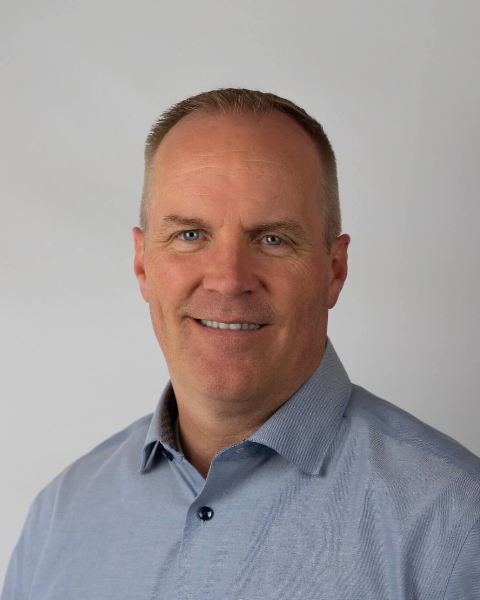
Ryan Williams is the VP of Sales and Customer Experience for OrthoSelect, the creators of the DIBS AI digital indirect bonding system. In this role, Ryan sees the unique business issues orthodontists face and he enjoys assisting doctors with technology they can use to succeed. Ryan has a background in Technology Marketing and Sales with an education in Finance and Accounting – including an MBA from The University of Utah. He uses this experience to assist orthodontists in applying technology more profitably. Outside of work, Ryan is a husband, dad of 5, and currently serves as a Bishop in the Church of Jesus Christ of Latter-Day Saints. He loves to travel, ride dirt bikes, and play golf with whatever time is left!
Dr. James Zahrowski
The rise in adults seeking orthodontic treatment introduces new complexities with the increased medication usage. Forces upon teeth induce inflammatory and bone turnover responses which lead to the orthodontic goal of tooth movement. There are many common medications which decrease inflammation or bone turnover and have been reported to decrease tooth movement. The literature is assessed in order to categorize the medication effect upon tooth movement. Published bone markers are evaluated that may help to anticipate the drug effect upon tooth movement. Presentation is based on an authored article: Seminars in Orthodontics, February 2025.
Learning Objectives:
- Recognize medications which have been reported to have an effect upon orthodontic tooth movement.
- Categorize the amount of tooth movement which may be anticipated from medications.
- Predict the medication effect upon tooth movement by assessing the drug effect upon published bone markers.
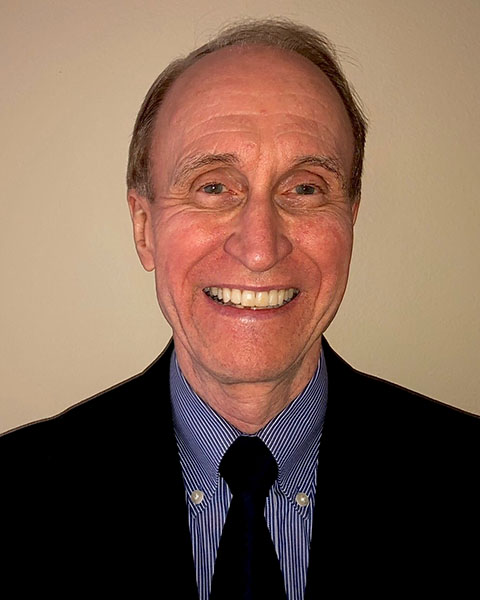
James Zahrowski obtained a Doctor of Pharmacy at USC, a hospital residency at UCSF, and became the director of the Pharmaceutical Services at the Neuropsychiatric Institute at UCLA. He received a Doctor of Dental Medicine at OHSU and an Orthodontic Specialty and Masters in Oral Biology at UCLA. He is a Diplomate of the American Board of Orthodontics and on the Board of Directors for the Edward Angle Society of Orthodontists, Southern California component. He has a full time orthodontic practice for the past 38 years and is an expert reviewer for multiple peer reviewed journals. He has authored multiple articles, book chapters and given pharmacology seminars for the orthodontic residents at UCLA for the past 10 years.
Sunday's Speakers
Dr. Paul Helpard
Orthodontic practices generate more data than ever, yet many doctors struggle to identify which numbers truly matter. This session focuses on the core practice performance metrics that provide meaningful insight into clinical efficiency, financial health, and long-term sustainability. Designed specifically for doctors, the lecture emphasizes clarity over complexity—helping attendees understand which metrics serve as early indicators of performance, how to interpret trends, and how to use data to guide decisions without becoming overwhelmed. Attendees will leave with a practical framework for evaluating practice health, aligning metrics with goals, and using performance data as a tool for leadership rather than pressure.
Learning Objectives:
- Identify the most impactful practice performance metrics for orthodontic practices.
- Analyze metric trends to support strategic and clinical decision-making.
- Use performance data to align priorities, improve efficiency, and support sustainable growth.
Dr. Paul Helpard is the Founder and Strategic Advisor at Corus. He was instrumental in developing the Corus partnership model and was the driving force in launching Corus. Paul brings both clinical and business expertise to his leadership role at Corus.
Paul began his dental career in 1991 as a dental officer in the Canadian Armed Forces. He subsequently became an orthodontist and has held numerous leadership and teaching positions during his career. Paul was the principal orthodontist of Shoreline Orthodontics, a 5-office group of practices where he honed his skills as a business leader.
Paul is a Fellow of the Royal College of Dentists of Canada, a Diplomate of the American Board of Orthodontists, a Fellow of the International College of Dentists, an examiner for the RCDC, and a member of the Angle Society. He holds an undergraduate science degree from Western University, a dental degree from McGill University and a Masters of Science and Certificate in Orthodontics from the University of Iowa. Paul was awarded the EY Entrepreneur Of The Year 2022 with a Special Citation for Emerging Entrepreneur in the Prairies.
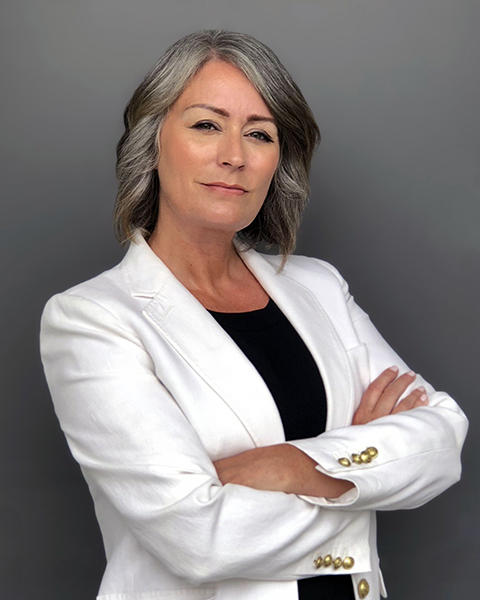
Ms. Tracy Moawad
In an increasingly competitive orthodontic landscape, patient experience is no longer a “soft” concept—it is a measurable driver of growth, efficiency, and team engagement. This session explores how every touchpoint in the patient journey, from the first phone call to retention and referrals, shapes perception, compliance, and long-term outcomes.
Attendees will learn how to intentionally design a consistent, patient-centered experience that aligns clinical excellence with operational efficiency. Drawing on real-world examples from practice environments, this lecture will highlight common breakdowns in the patient journey, practical strategies for improvement, and how to engage the entire team in delivering an experience that builds trust and loyalty without increasing burnout.
Learning Objectives:
- Identify key patient touchpoints that most strongly influence satisfaction, trust, and case acceptance.
- Evaluate where operational gaps negatively impact the patient experience.
- Apply practical strategies to align teams around a consistent, high-quality patient journey.
Understanding practice performance is not just for doctors or managers—every team member plays a role in the results. This session is designed for orthodontic teams and focuses on explaining how practices measure success in a clear, relatable, and empowering way.
Attendees will learn how common practice metrics connect directly to daily behaviors, patient experience, and teamwork. Rather than viewing numbers as pressure or judgment, the session reframes metrics as tools that help teams work together more effectively and see the impact of their contributions. The goal is shared understanding, accountability, and confidence in how individual actions influence practice success.
Learning Objectives:
- Identify common practice performance metrics and what they represent.
- Recognize how individual and team behaviors influence practice outcomes.
- Use shared metric awareness to improve communication, teamwork, and accountability.
Tracy Moawad is an orthodontic operations expert, educator, and leader with over 25 years of experience in business operations, practice management, and leadership development. She currently serves as Vice President of Practice Operations at Corus Orthodontists, overseeing operational excellence for the Corus partnership network across North America.
In addition to her operational leadership role, Tracy is an instructor and coach for the AAO-Wharton MBO program, where she teaches business and people management strategies tailored to orthodontic practices. She is a sought-after speaker at national and regional meetings, known for delivering actionable frameworks grounded in real-world experience.
Tracy’s approach emphasizes that people—not just systems—drive results, and that intentional leadership is essential to delivering exceptional patient care and practice performance.
